

WHEN THE ROLLOUT ENDS AND THE CHANGE SLOWLY SLIDES BACK
The launch worked. Months later, old routines are returning. The question is who now owns the new way of working, how it is reinforced, and what teams are learning as they use it. We help leaders turn that feedback into everyday practices that hold.
It worked at first, then quietly came undone
The launch went well. Early numbers looked right, people made the effort, and leadership moved on to the next priority. Months later the old way is back, and no one ever decided to let it happen.
Leaders usually notice:
A strong start followed by a slow slide back to the old way
The new tool or process still technically in place, but worked around in practice
No clear owner once the project team broke up
New hires never learning the new way, because no one holds it anymore
Numbers that looked good at go-live quietly drifting down
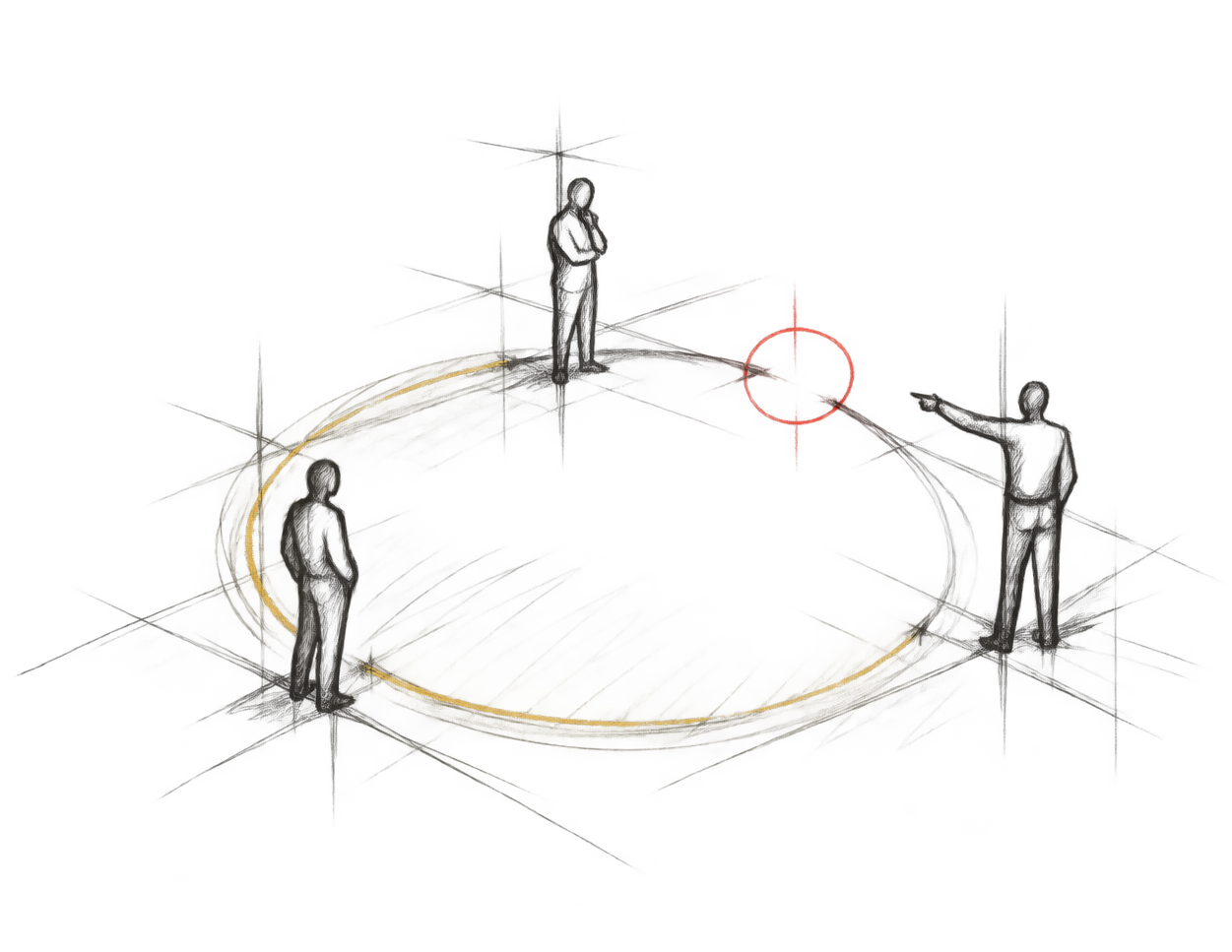
RELAUNCHING DOESN’T FIX WHAT NOBODY OWNS
A refresher or reminder may help, but it will not by itself establish ownership. Sustained change needs clear accountability after the project team leaves, managers who reinforce the new routines, onboarding that teaches them, and a way to hear where the approach needs adjusting.
THE COST OF A CHANGE THAT DOESN’T LAST
Teams may repeat work, use parallel processes, and lose the gains reported at launch. People learn that new ways of working are temporary, making later changes harder to carry out. Where AI or other tools are involved, inconsistent use should be surfaced to the teams responsible for technical governance and operating decisions.
What changes when ownership holds
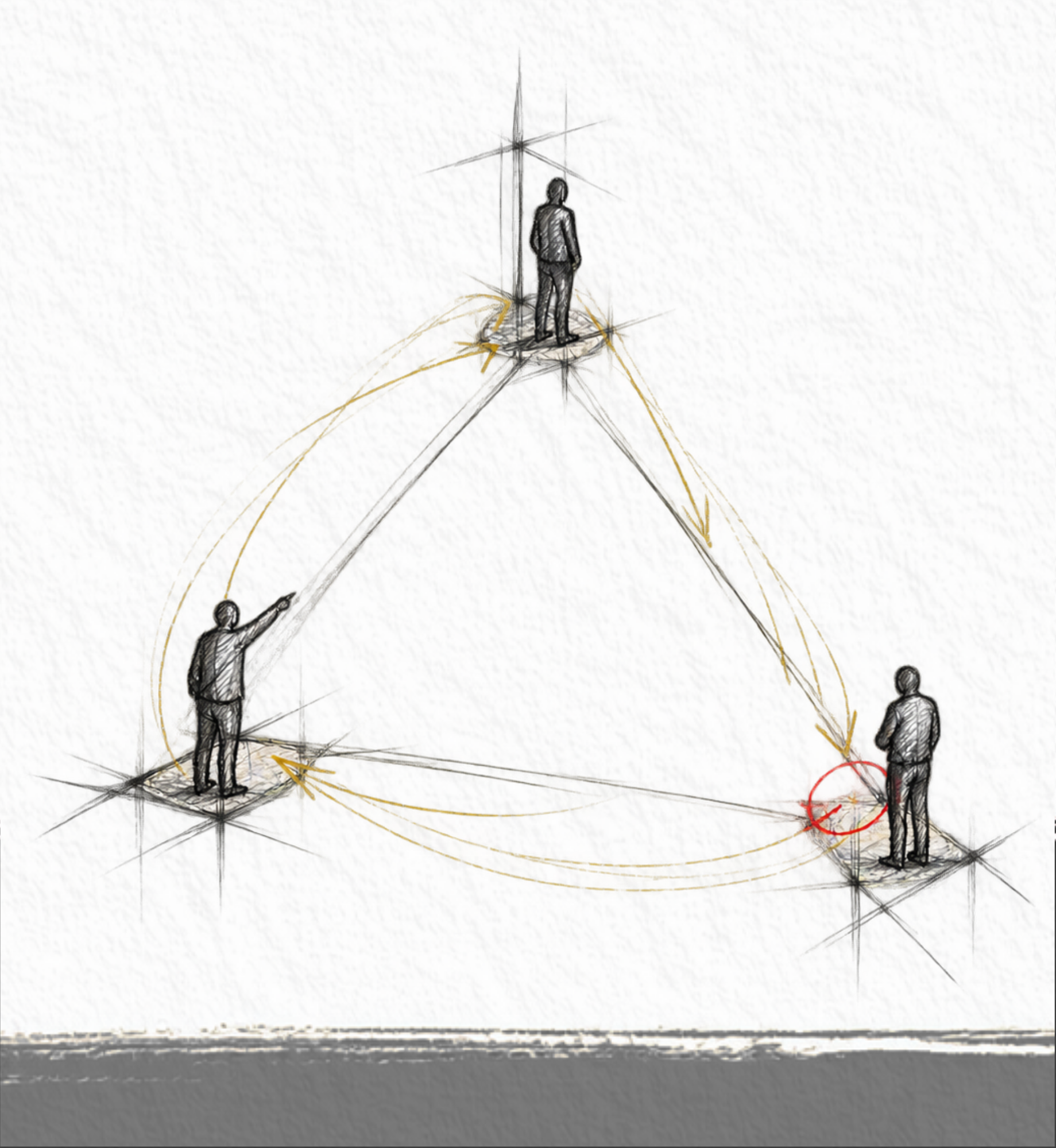
The new way has a clear owner after the project ends
It is built into how people are managed, measured, and onboarded
Leaders keep reinforcing it long after launch, until it is simply how things are done
The gains hold, and build, instead of reversing
HOW WE HELP THE CHANGE LAST
We help leadership teams assign ongoing ownership, build reinforcement into management routines and onboarding, and create simple feedback loops so teams can see what is working and what needs adjustment.
We can design and help implement these practices with internal teams. Where technical governance or tool design needs attention, we surface the issue to the people who own those decisions.

Ready to make a change that lasts?
If a past change has quietly slid back, the next one doesn't have to.