

WHEN THE DECISION IS MADE BUT THE NEW WAY OF WORKING DOESN’T TAKE HOLD
A decision has been made, but the organization has not yet turned it into a workable way to operate. The gaps may appear before launch or in the first weeks of implementation. We help leaders identify what is missing and prepare people to put the change into practice.
WHEN INTENT HAS NOT BECOME A WORKABLE PLAN
Leaders may send different signals, managers may lack answers to practical questions, and people closest to the work may see gaps the plan has not addressed. These are early signs that implementation needs more than an announcement.
You may be seeing unclear roles and decision rights, conflicting priorities, strained capacity, or teams unsure how the new process will work in a real day.
DIAGNOSE WHAT IS MAKING THE CHANGE HARD TO CARRY OUT
The constraint may sit in the direction itself, a tool or process, the way work is designed, or the conditions people need to act. We listen across levels and test what leaders, managers, and teams understand, what they can do, and where the plan meets friction.
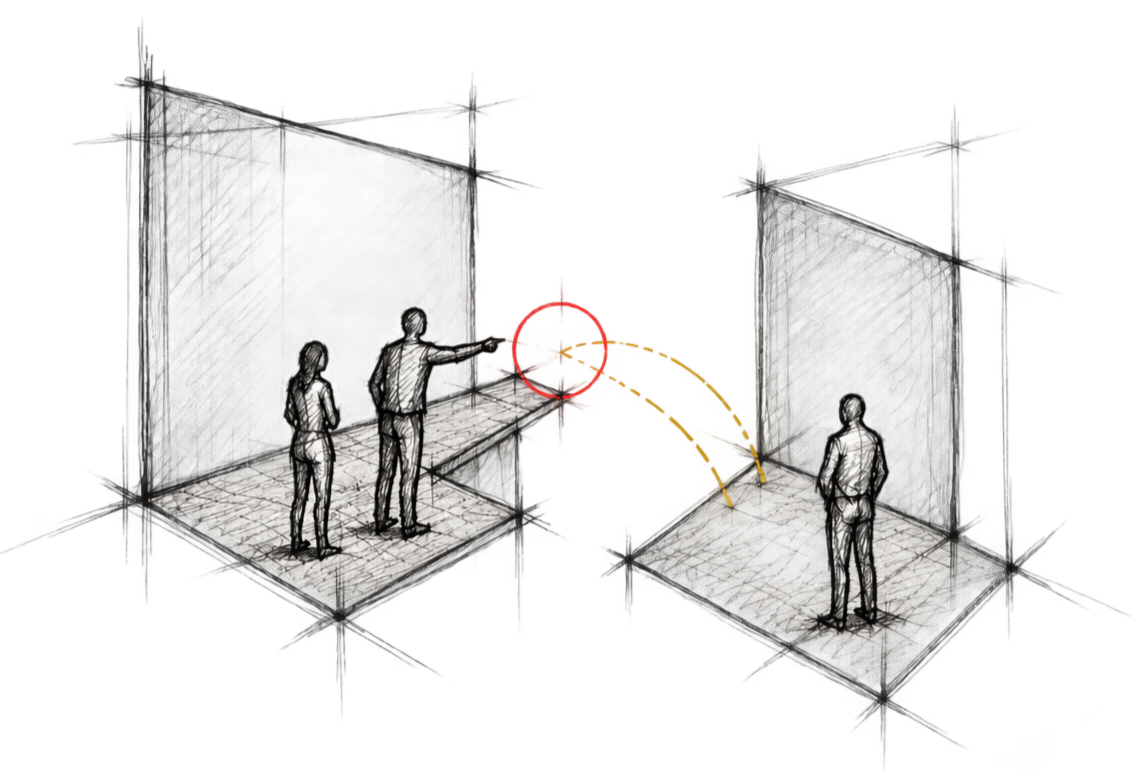
That diagnosis helps us choose useful action: clearer decisions, manager preparation, communication, co-creation with people doing the work, or changes to the operating design.
THE COST OF WAITING FOR THE GAP TO CLOSE ITSELF
When practical questions remain unanswered, teams spend time resolving them locally. Decisions slow, work is repeated, and the credibility of the change weakens. Early diagnosis can prevent these costs from becoming the normal way of working.
WHAT IMPROVES WHEN READINESS IS BUILT IN
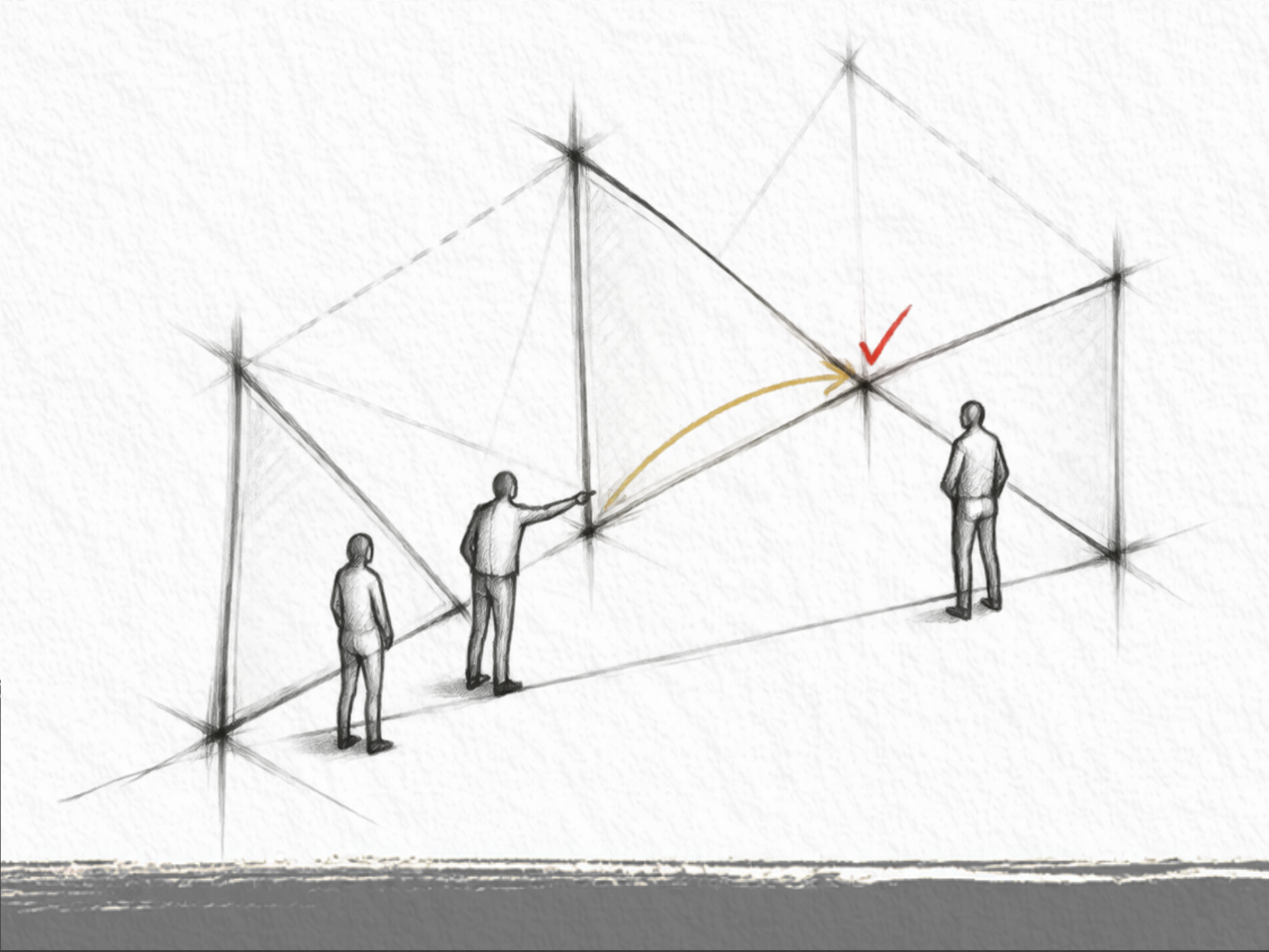
Leaders give consistent direction. Managers can answer what changes in daily work. People closest to the work can surface risks and shape workable decisions. Teams have the capacity and support to begin using the new way—and feedback reaches those who can adjust it.
HOW WE HELP THE CHANGE TAKE HOLD
We diagnose the gaps between the decision and the work, align leaders on the practical implications, prepare managers to guide their teams, and involve employees in shaping implementation. Depending on the need, we can lead a targeted intervention, an agreed workstream, or the human-side execution of a broader change.
We work with internal and technical teams when constraints sit in tools, data, governance, or process design, so the response addresses the real cause.

MAKE THE NEXT STEP WORKABLE
If a decision is made but leaders and teams are not yet ready to carry it out, we can help identify the gap and shape the next move.